“Can't feel your back during pull-up?” targets a familiar workout concern, then brings a pull-up bar into a first-person discussion framed around technique and equipment.
“Can't feel your back during pull-up?” targets a familiar workout concern, then brings a pull-up bar into a first-person discussion framed around technique and equipment.
A direct and often slightly provocative question, such as “why is hers so much bigger?!”, can effectively capture attention. By tapping into a shared experience or unresolved curiosity, this opening quickly creates relevance and encourages viewers to stay for the answer or solution.
This perspective makes viewers feel as though they are experiencing it firsthand. Handheld selfie shots show product details and the usage process, creating an immersive sense of authenticity that brings viewers closer and sparks purchase interest.
Citing authoritative sources and professional endorsements can greatly strengthen product credibility. Creators should mention when a product is expert-designed, patented, or clinically tested, and may show a certificate of authenticity to demonstrate that its quality and effectiveness have professional recognition and can be trusted.
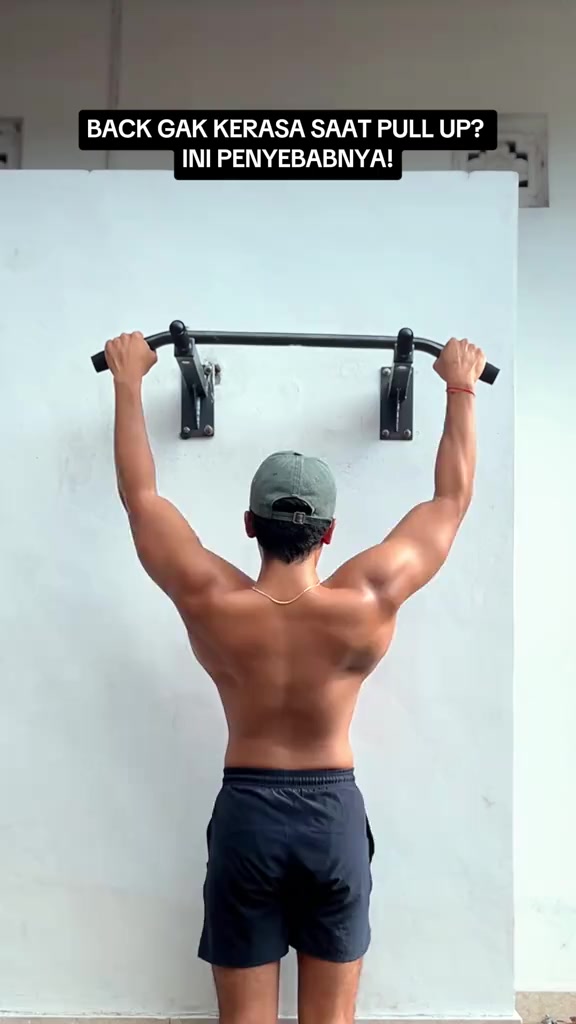
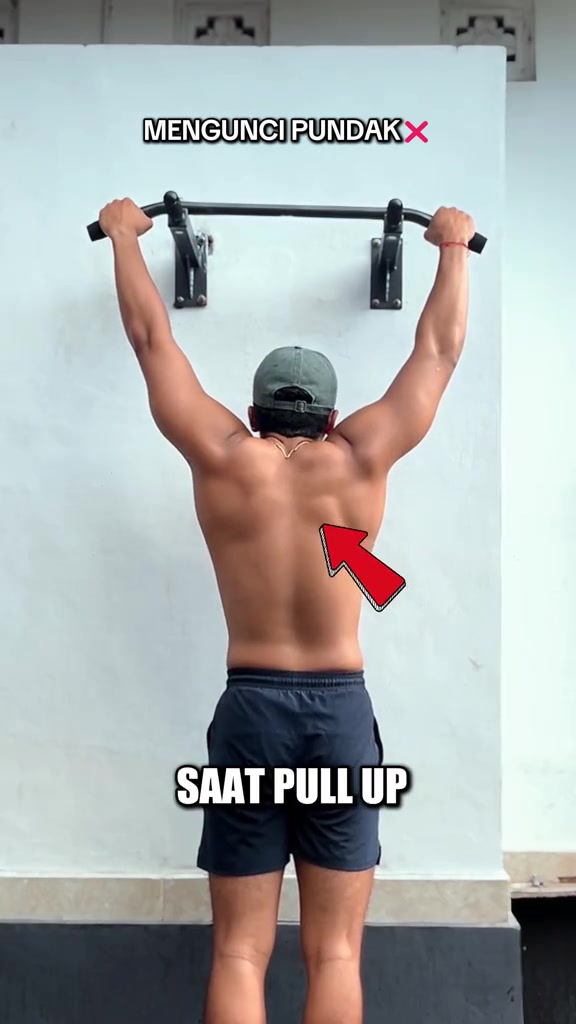
You can't feel your back muscles working during pull-ups because you're still making this mistake. Most people still lock their shoulders when doing pull-ups.
Pain Point Presentation
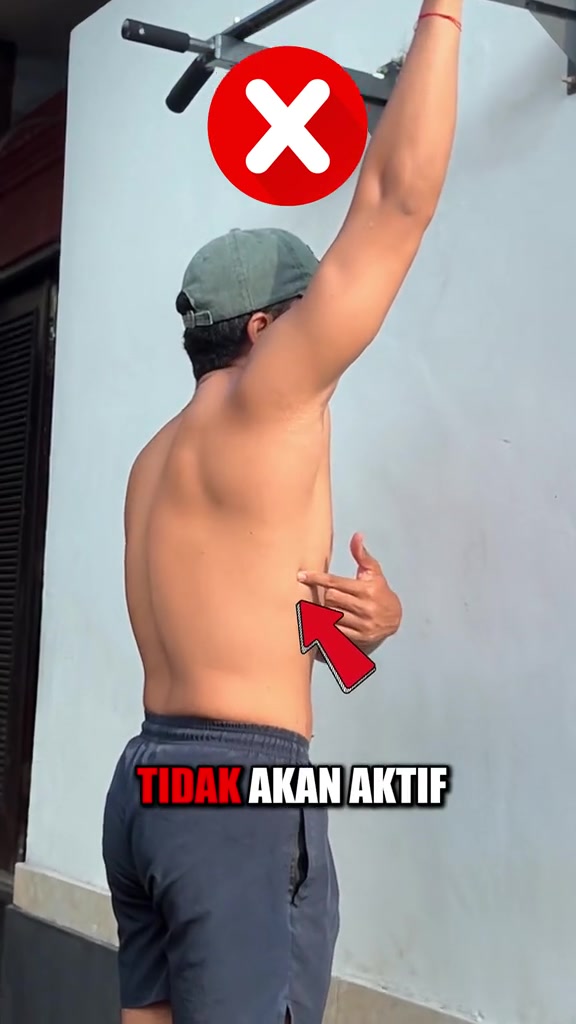
As a result, it's your arm muscles that are working, not your back muscles. Because when your shoulders are locked, your lats will never activate.
Instructions for Use
But when you pull your shoulders down, your lats activate immediately. So make sure you pull your shoulders down before doing a pull-up.
Storyboard breakdown
Medium Shot
A shirtless man stands facing away from the camera in front of a wall-mounted pull-up bar, completes a pull-up, then turns to show his back muscles with on-screen arrows and text pointing out movement issues.
Medium Shot
The man continues to demonstrate incorrect pull-up form, with red circles highlighting his arms and a red cross marking the wrong movement, explaining that the lats cannot activate under incorrect posture.
Medium Shot
The man demonstrates the correct movement: pulling his shoulders down, then performing a standard pull-up after completing the shoulder depression preparation, with a green checkmark marking the correct form and clearly showing the activated lats.
Frequently asked questions
Can't feel your back during pull-up? video FAQ
Questions about this video’s creative strategy, creator, metrics, and creating a similar video.
What hook does this SPEEDS Pull Up Bar Iron GYM /Chin Up / Bar Door / Pull Up Alat Fitness product video use?
This video uses a “Question hooks” opening. The classification is based on the collected video content and available analysis fields, and can help explain how the first few seconds attract attention.
What selling angle and content structure does this video use?
Its primary selling angle is “Proof angle” and its content structure is “First-person POV.” Use these as strategic references, then adapt the execution to your own product, audience, and brand voice.
Is pande the creator of this video?
The current dataset identifies pande as the video creator. The creator name links to the corresponding public TikTok profile when available; account details may change over time.
Can I use this SPEEDS Pull Up Bar Iron GYM /Chin Up / Bar Door / Pull Up Alat Fitness video to create a similar video?
Yes, you can use it as a creative reference. Octer extracts the hook, pacing, content structure, and presentation pattern, then combines them with your product information instead of directly copying the original footage.
Are the views, engagement, and product metrics shown in real time?
No. The page shows the most recently collected public video and product data. Values may lag because of platform updates, reporting periods, or market changes, so treat them as research signals rather than real-time reporting.
What should I consider when creating content from this reference?
Do not directly reuse the original creator’s footage, music, likeness, or brand assets. Confirm your rights to all product and generated assets, and follow TikTok Shop, advertising-market, and applicable local rules before publishing.